The global manufacturing industry is rapidly shifting toward sustainable raw materials. One of the biggest changes is the increasing adoption of recycled HDPE granules as an alternative to virgin plastic. This shift is driven by both cost considerations and strict environmental mandates.
What Are Virgin HDPE Granules?
Virgin HDPE is produced directly from petroleum-based fossil fuels through chemical cracking and polymerization. While virgin resins offer high chemical consistency and predictable structural parameters, their manufacturing process has a significant carbon footprint and high energy consumption.
What Are Recycled HDPE Granules?
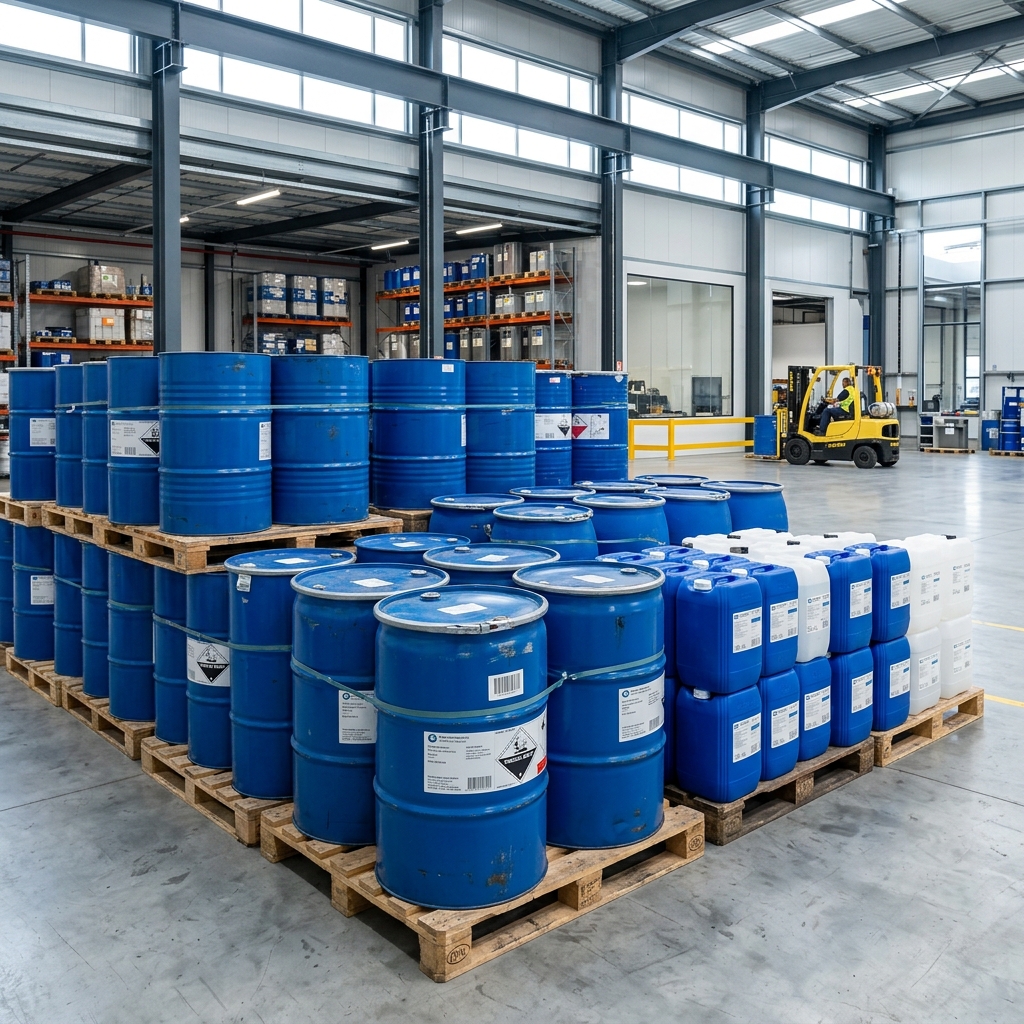
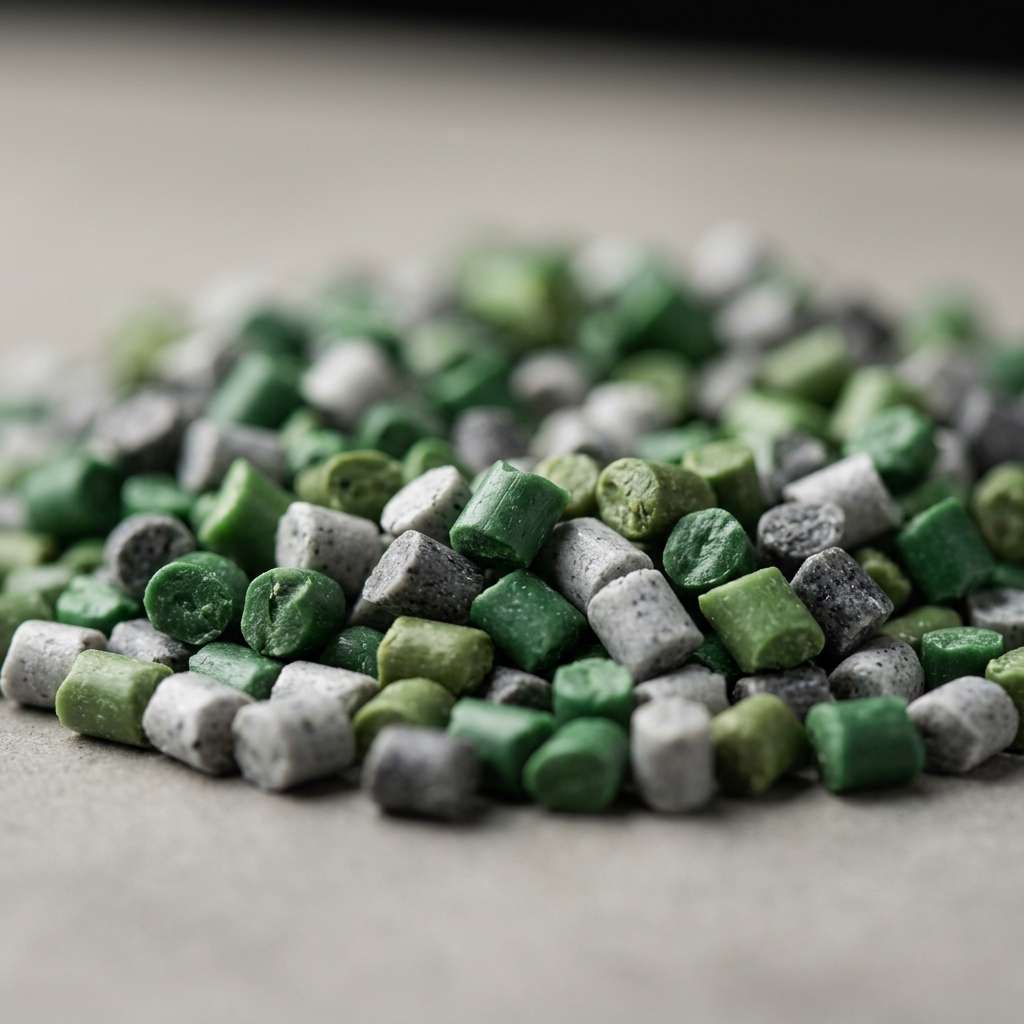
Recycled HDPE granules are manufactured by mechanically processing existing plastic waste like HDPE blue drums, jerry cans, and industrial packaging scrap. This mechanical recycling process extends the lifecycle of already manufactured polymers, reducing environmental degradation.
Recycled HDPE vs Virgin HDPE: Key Benefits
- Economic Advantage: Reprocessed plastic granules are significantly more cost-effective than virgin resins, helping manufacturers reduce bill-of-materials cost.
- Environmental Sustainability: Sourcing recycled plastic raw materials reduces landfill pressure, slashes energy consumption by up to 80%, and reduces overall fossil fuel dependency.
- EPR and Regulatory compliance: Helps producers fulfill their legal Extended Producer Responsibility (EPR) mandates and boosts corporate ESG rankings.
How We Ensure Quality and Consistency
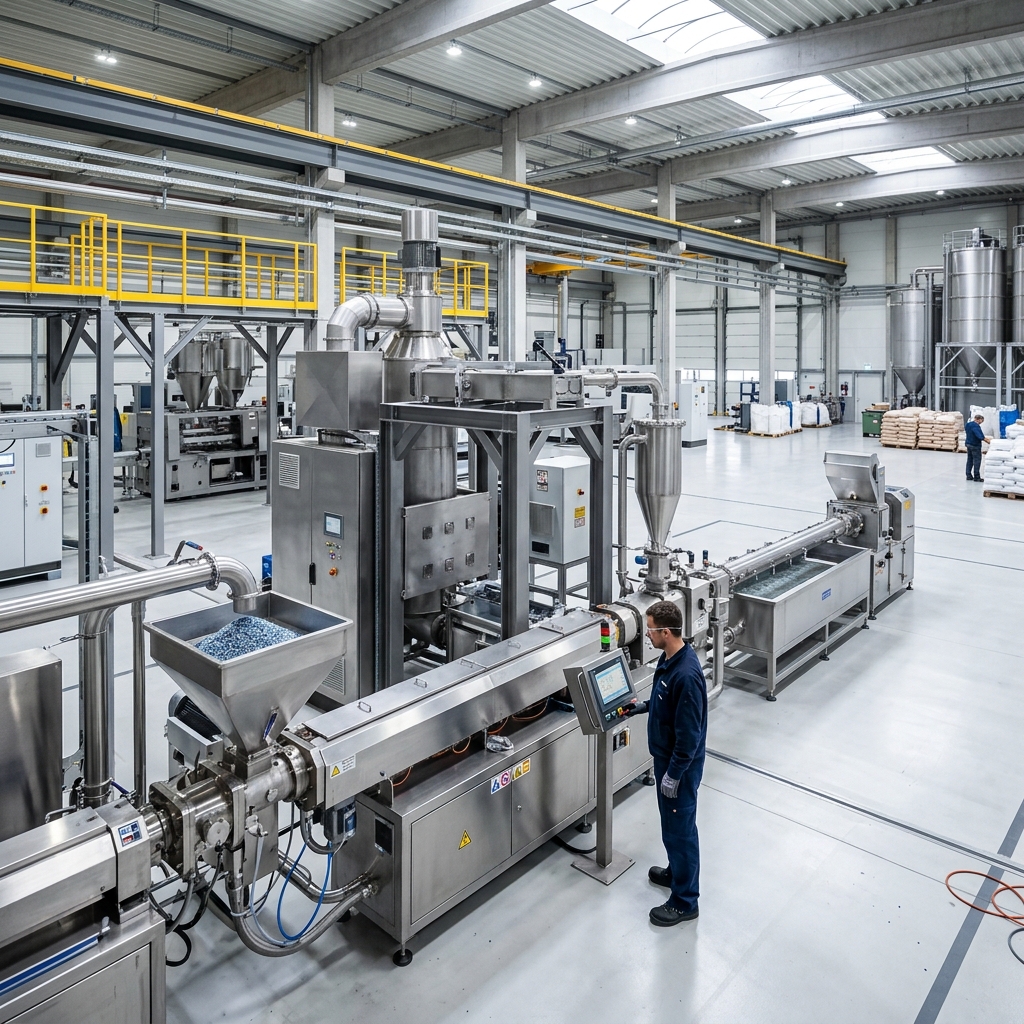
At Forge Renewables, we understand that manufacturing requires predictable material performance. Every batch of our recycled HDPE granules undergoes rigorous Melt Flow Index (MFI) testing, contamination screening, and structural integrity checks to match exact manufacturing specifications.